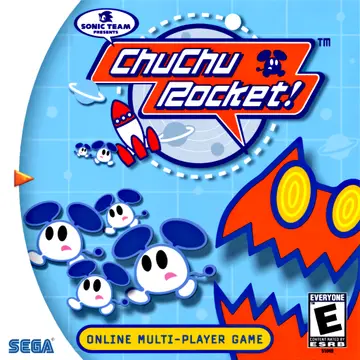
Pokémon Puzzle League Classic
Sega Dreamcast · Puzzle
Deep cut
| System | Sega Dreamcast |
|---|---|
| Released | 2000 |
| Genre | Puzzle |
| Players | 1–2 players |
| Commitment | Quick session (Under an hour, or endless arcade fun) |
| Legacy | Deep cut · legacy score 1 |
The Lost Golem arrived on the Sega Dreamcast in 2000 as a puzzle game.
It came out in the Dreamcast's second year on the market. Other notable Dreamcast releases from 2000 include Jet Set Radio, Sonic Shuffle and Skies of Arcadia. Among the 17 Dreamcast puzzle games in our database, it ranks #14 by legacy score.
The Lost Golem supports up to 2 players, whether that means taking turns or going head-to-head.
Puzzle games challenge pattern recognition, planning and quick thinking, from falling-block games to single-screen logic puzzles.
Tip for newcomers: Puzzle games are perfect for short sessions and often have endless or score-attack modes, so they never really end.
Dreamcast games still feel inventive and colorful, and many have been re-released on later platforms. The console also has a remarkably active homebrew scene for a system that left shelves so long ago.
The Lost Golem was released for the Sega Dreamcast in 2000.
Yes. The Lost Golem supports up to 2 players.
As a puzzle game, The Lost Golem typically falls into the "Quick session" category: under an hour, or endless arcade fun. Your time will vary with skill and how much you explore.
Read more about The Lost Golem on Wikipedia. Facts on this page are compiled from the open libretro database and Wikidata; "legacy score" reflects how widely a game is documented across Wikipedia's language editions. Spotted an error? Let us know.