
Sonic Adventure Classic
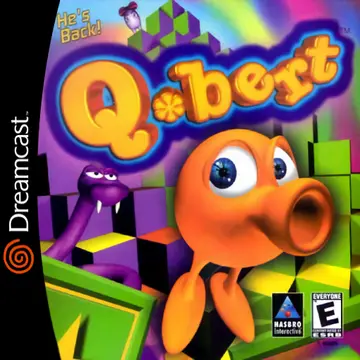
Sega Dreamcast · Platformer / Puzzle
| System | Sega Dreamcast |
|---|---|
| Genre | Platformer, Puzzle |
| Developer | Atari |
| Publisher | Gottlieb |
| Commitment | Weekend project (Roughly 6–20 hours) |
| Legacy | Well-known · legacy score 7 |
Released for the Sega Dreamcast, Q*bert is a platformer developed by Atari and published by Gottlieb. This Dreamcast release is a port or adaptation of a game that first appeared in 1982. It blends platformer and puzzle elements.
Among the 13 Dreamcast platformers in our database, it ranks #7 by legacy score.
Atari also made Test Drive Le Mans and Centipede for the Dreamcast.
Platformers are all about movement: running, jumping and timing your way across levels full of gaps, enemies and secrets. The best ones feel great to control within seconds and then slowly teach you to master every leap.
Tip for newcomers: Retro platformers often have limited lives and few checkpoints. Learn one level at a time, look for hidden 1-ups, and don't be shy about using a save feature when it is available.
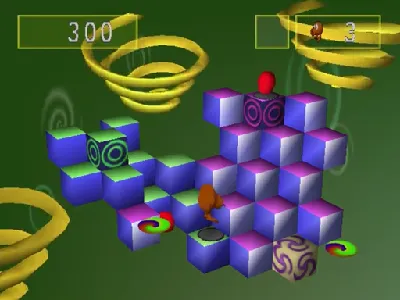
Stuck, or want to go deeper? These trusted sites have full walkthroughs, completion times and more for Q*bert.



Dreamcast games still feel inventive and colorful, and many have been re-released on later platforms. The console also has a remarkably active homebrew scene for a system that left shelves so long ago.
It was developed by Atari and published by Gottlieb.
As a platformer, Q*bert typically falls into the "Weekend project" category: roughly 6–20 hours. Your time will vary with skill and how much you explore.
Read more about Q*bert on Wikipedia. Facts on this page are compiled from the open libretro database and Wikidata; "legacy score" reflects how widely a game is documented across Wikipedia's language editions. Spotted an error? Let us know.