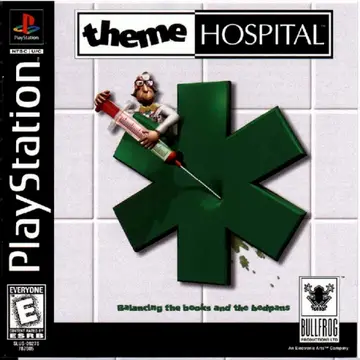
Theme Hospital Classic
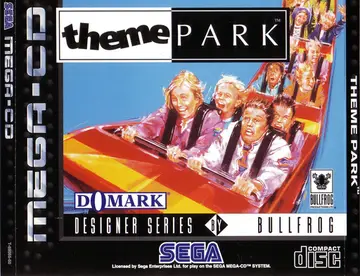
Sega CD · Simulation
Certified classic
| System | Sega CD |
|---|---|
| Genre | Simulation |
| Developer | Bullfrog Productions |
| Publisher | Electronic Arts |
| Players | 1 player |
| Commitment | Weekend project (Roughly 6–20 hours) |
| Legacy | Certified classic · legacy score 7 |
Released for the Sega CD, Theme Park is a simulation game developed by Bullfrog Productions and published by Electronic Arts.
Bullfrog Productions also made Syndicate for the Sega CD.
Theme Park is a single-player game, so it's one to enjoy at your own pace.
Simulation games model a system and let you play inside it, whether that means building a city, flying a plane, raising a pet or running a business.
Tip for newcomers: Simulations are often open-ended. Set yourself small goals and enjoy experimenting with the systems.
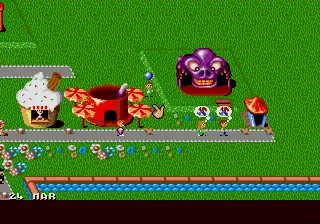
Stuck, or want to go deeper? These trusted sites have full walkthroughs, completion times and more for Theme Park.
Sega CD games can be hard to find at reasonable prices, so the system is best explored through its top handful of titles rather than its full library.
It was developed by Bullfrog Productions and published by Electronic Arts.
No. Theme Park is a single-player game.
As a simulation game, Theme Park typically falls into the "Weekend project" category: roughly 6–20 hours. Your time will vary with skill and how much you explore.
Read more about Theme Park on Wikipedia. Facts on this page are compiled from the open libretro database and Wikidata; "legacy score" reflects how widely a game is documented across Wikipedia's language editions. Spotted an error? Let us know.