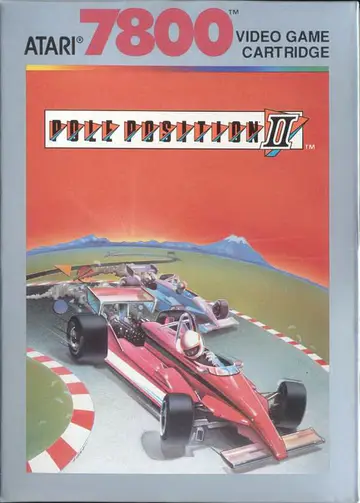
Pole Position II Deep cut
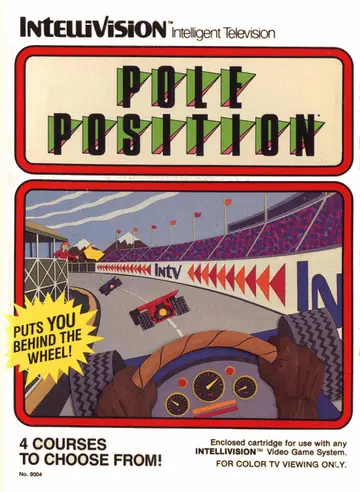
Intellivision · Racing
| System | Intellivision |
|---|---|
| Genre | Racing |
| Developer | Namco |
| Publisher | Intv Corp |
| Players | 1 player |
| Commitment | Quick session (Under an hour, or endless arcade fun) |
| Series | Pole Position |
| Legacy | Deep cut |
Pole Position is a racing game released for the Intellivision, developed by Namco and published by Intv Corp.
It is part of the Pole Position series. The series also appears on other systems with Pole Position (2600) and Pole Position (5200). Namco also made Pac-Man and Dig Dug for the Intellivision.
This is a solo experience: one player, no waiting on anyone else.
Racing games range from realistic driving to kart racers with weapons and shortcuts. Races are short, making them great for quick sessions and split-screen rivalries.
Tip for newcomers: Learn each track's racing line and braking points; in kart racers, item strategy matters as much as driving.
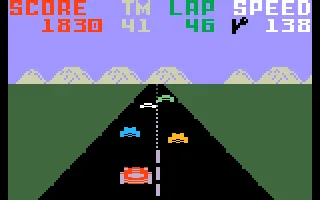
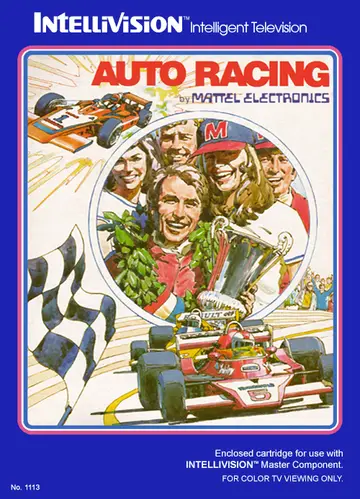
Intellivision games reward patience: many are slower, more strategic designs than their Atari rivals. Official compilations have kept a large part of the library available on modern platforms.
It was developed by Namco and published by Intv Corp.
No. Pole Position is a single-player game.
As a racing game, Pole Position typically falls into the "Quick session" category: under an hour, or endless arcade fun. Your time will vary with skill and how much you explore.
Facts on this page are compiled from the open libretro database and Wikidata; "legacy score" reflects how widely a game is documented across Wikipedia's language editions. Spotted an error? Let us know.