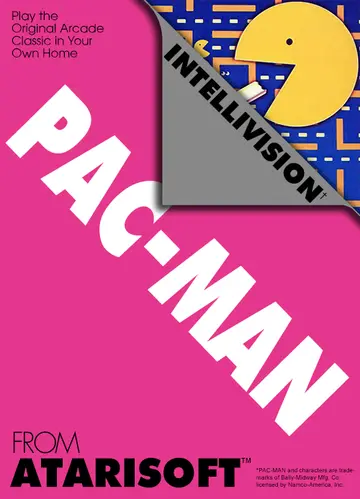
Pac-Man Classic
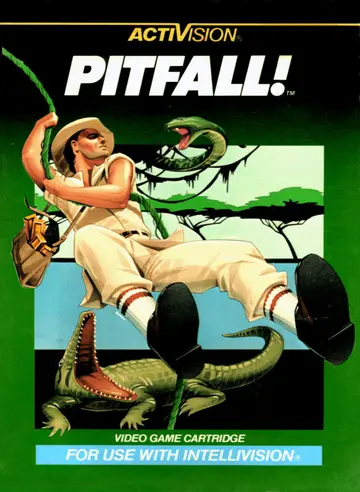
Intellivision · Action
| System | Intellivision |
|---|---|
| Released | 1982 |
| Genre | Action |
| Developer | Activision |
| Publisher | Activision |
| Players | 1 player |
| Commitment | Quick session (Under an hour, or endless arcade fun) |
| Legacy | Deep cut |
Released for the Intellivision in 1982, Pitfall! is an action game developed by Activision.
It landed about 3 years into the Intellivision's life. Other notable Intellivision releases from 1982 include Demon Attack, Buzz Bombers and Beauty & the Beast.
Activision also made Beamrider, Happy Trails and River Raid for the Intellivision.
This is a solo experience: one player, no waiting on anyone else.
Action games test reflexes and nerve. Expect fast enemies, tight controls and stages you clear by reacting quickly and learning enemy patterns.
Tip for newcomers: Retro action games are often short but tough. Treat early deaths as practice runs; every attempt teaches you where the next threat comes from.
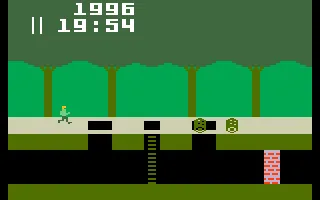
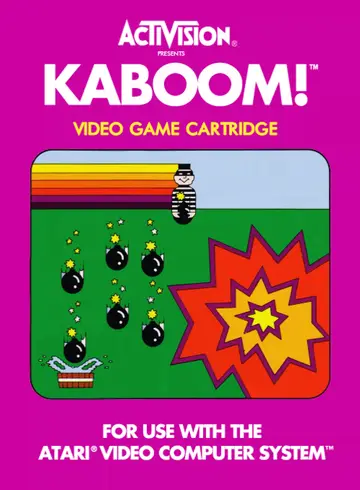
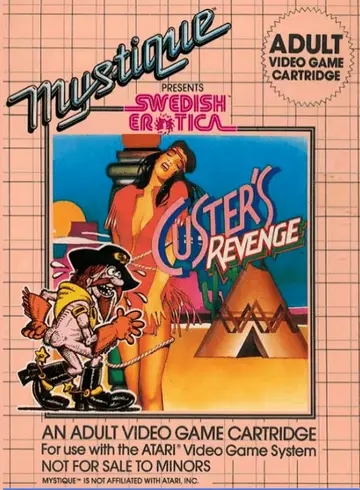
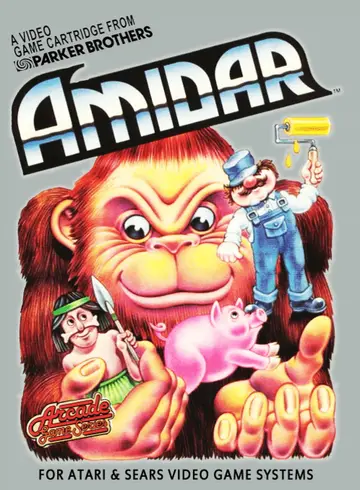
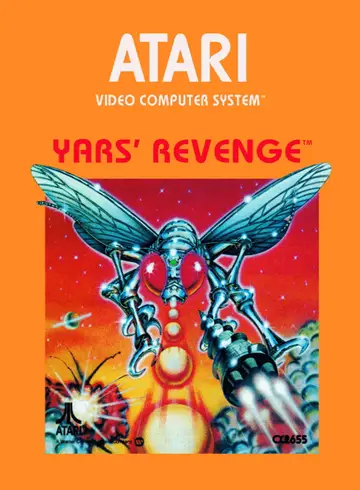
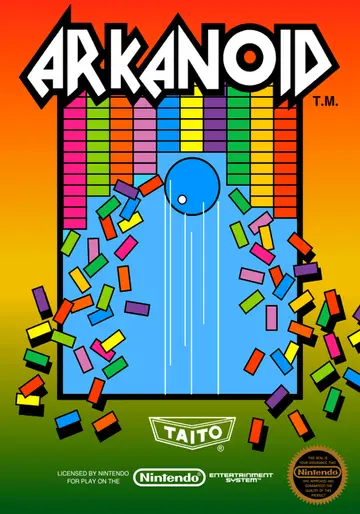
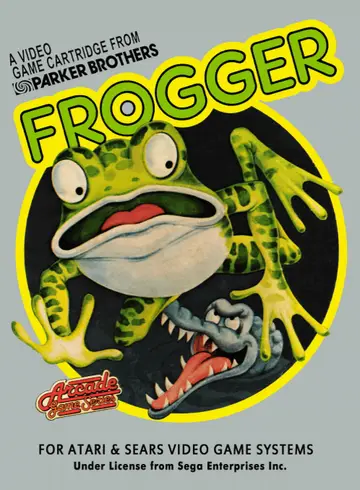
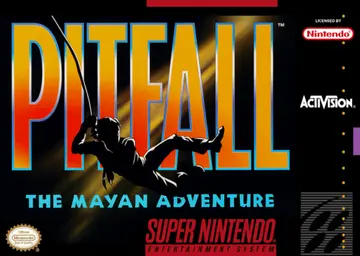
Intellivision games reward patience: many are slower, more strategic designs than their Atari rivals. Official compilations have kept a large part of the library available on modern platforms.
Pitfall! was released for the Intellivision in 1982.
It was developed by Activision.
No. Pitfall! is a single-player game.
As an action game, Pitfall! typically falls into the "Quick session" category: under an hour, or endless arcade fun. Your time will vary with skill and how much you explore.
Facts on this page are compiled from the open libretro database and Wikidata; "legacy score" reflects how widely a game is documented across Wikipedia's language editions. Spotted an error? Let us know.