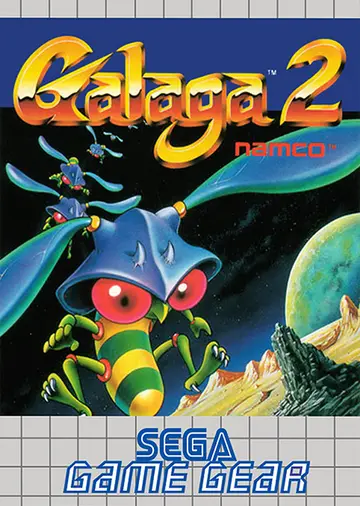
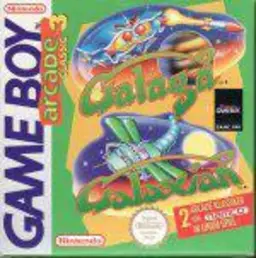
Game Boy · retro
Arcade Classic No. 3: Galaga & Galaxian
| System | Game Boy |
|---|---|
| Released | 1995 |
| Developer | TOSE |
| Publisher | Nintendo |
| Players | 1 player |
| Series | Galaxian |
| ESRB | E |
| Legacy | Deep cut |
Arcade Classic No. 3: Galaga & Galaxian is a retro game released in 1995 for the Game Boy, developed by TOSE and published by Nintendo.
It landed about 6 years into the Game Boy's life. Other notable Game Boy releases from 1995 include Kirby's Dream Land 2, Donkey Kong Land and Kirby's Block Ball.
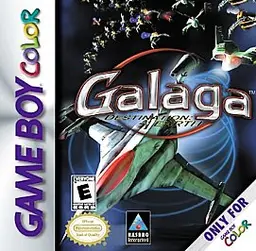
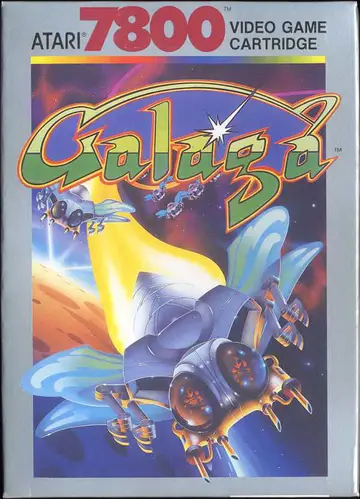
It is part of the Galaxian series. The series also appears on other systems with Galaga (7800) and Galaga (NES). TOSE also made Kirby's Block Ball, Hyper Lode Runner and Bases Loaded for the Game Boy.
Arcade Classic No. 3: Galaga & Galaxian is a single-player game, so it's one to enjoy at your own pace.
Pick it if…
- you've played the Game Boy hits and want something less obvious
Maybe skip it if…
- you are looking for something to play with friends
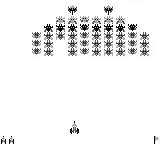
What playing Arcade Classic No. 3: Galaga & Galaxian is like
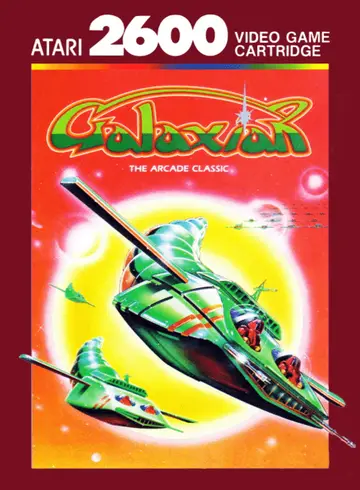
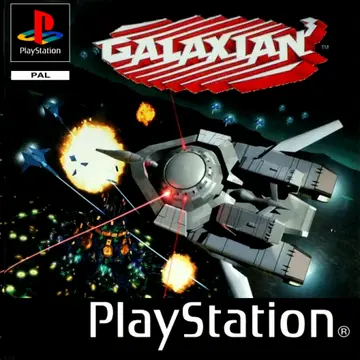
If you like Arcade Classic No. 3: Galaga & Galaxian, the Matrix also picks…
Playing Game Boy games today
Game Boy games were designed for short bursts on the go, which makes them ideal for a coffee break today. Many are available through Nintendo Switch Online, and original carts play on any later Game Boy model.
Arcade Classic No. 3: Galaga & Galaxian FAQ
When did Arcade Classic No. 3: Galaga & Galaxian come out on the Game Boy?
Arcade Classic No. 3: Galaga & Galaxian was released for the Game Boy in 1995.
Who made Arcade Classic No. 3: Galaga & Galaxian?
It was developed by TOSE and published by Nintendo.
Is Arcade Classic No. 3: Galaga & Galaxian multiplayer?
No. Arcade Classic No. 3: Galaga & Galaxian is a single-player game.
Facts on this page are compiled from the open libretro database and Wikidata; "legacy score" reflects how widely a game is documented across Wikipedia's language editions. Spotted an error? Let us know.