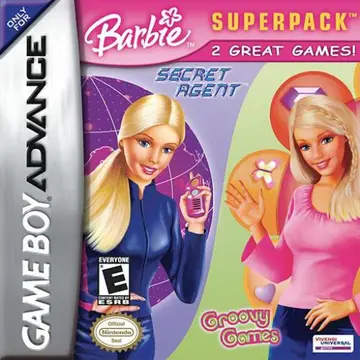
Game Boy Advance · retro
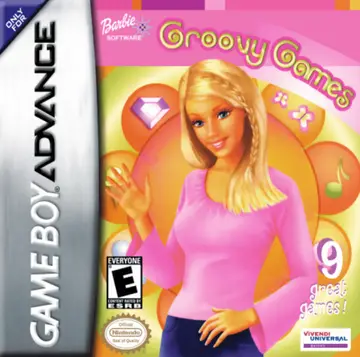
Barbie Superpack: Secret Agent + Groovy Games
| System | Game Boy Advance |
|---|---|
| Released | 2005 |
| Developer | Digital Illusions |
| Publisher | Vivendi Universal Games |
| Players | 1 player |
| Series | Barbie |
| ESRB | E |
| Legacy | Deep cut |
Barbie Superpack: Secret Agent + Groovy Games is a retro game released in 2005 for the Game Boy Advance, developed by Digital Illusions and published by Vivendi Universal Games.
It landed about 4 years into the GBA's life. Other notable GBA releases from 2005 include Pokémon Emerald, Mario Party Advance and WarioWare: Twisted!.
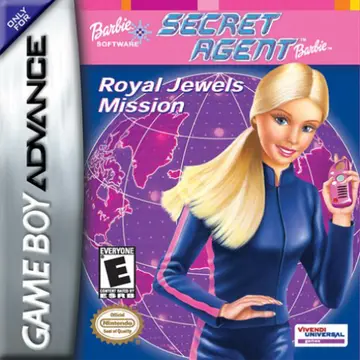
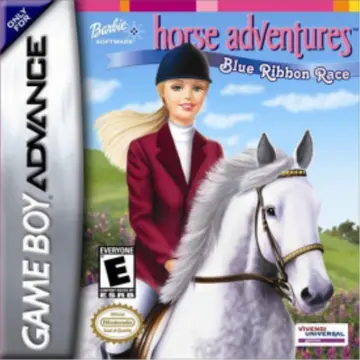
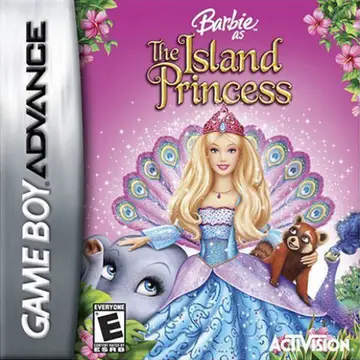
It is part of the Barbie series; on the GBA you can also try Barbie Horse Adventures: Blue Ribbon Race, Barbie as the Island Princess and Secret Agent Barbie. The series also appears on other systems with Barbie (NES) and Barbie: Super Model (SNES).
Barbie Superpack: Secret Agent + Groovy Games is a single-player game, so it's one to enjoy at your own pace.
Pick it if…
- you've played the GBA hits and want something less obvious
Maybe skip it if…
- you are looking for something to play with friends
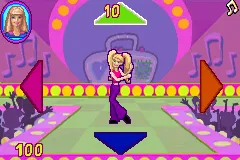
What playing Barbie Superpack: Secret Agent + Groovy Games is like
If you like Barbie Superpack: Secret Agent + Groovy Games, the Matrix also picks…
Playing GBA games today
The GBA is one of the best-value retro libraries around, with deep RPGs and tactics games that suit portable play. A growing selection is on Nintendo Switch Online + Expansion Pack, and Rec0m88 supports GBA if you own the games.
Barbie Superpack: Secret Agent + Groovy Games FAQ
When did Barbie Superpack: Secret Agent + Groovy Games come out on the GBA?
Barbie Superpack: Secret Agent + Groovy Games was released for the Game Boy Advance in 2005.
Who made Barbie Superpack: Secret Agent + Groovy Games?
It was developed by Digital Illusions and published by Vivendi Universal Games.
Is Barbie Superpack: Secret Agent + Groovy Games multiplayer?
No. Barbie Superpack: Secret Agent + Groovy Games is a single-player game.
Facts on this page are compiled from the open libretro database and Wikidata; "legacy score" reflects how widely a game is documented across Wikipedia's language editions. Spotted an error? Let us know.