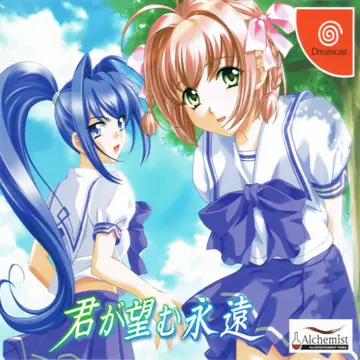
Kimi ga Nozomu Eien Classic
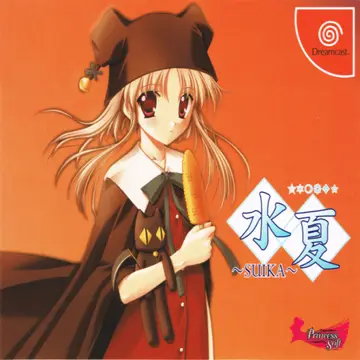
Sega Dreamcast · Adventure
Deep cut
| System | Sega Dreamcast |
|---|---|
| Released | 2002 (originally 2001) |
| Genre | Adventure |
| Players | 1 player |
| Commitment | Weekend project (Roughly 6–20 hours) |
| Legacy | Deep cut · legacy score 1 |
Suika is an adventure game released in 2002 for the Sega Dreamcast. This Dreamcast release is a port or adaptation of a game that first appeared in 2001.
It landed about 3 years into the Dreamcast's life. Other notable Dreamcast releases from 2002 include Space Channel 5: Part 2, Sakura Wars 4: Fall in Love, Maidens and First Kiss Story II.
This is a solo experience: one player, no waiting on anyone else.
Adventure games focus on exploration, story and puzzle-solving rather than combat. Progress comes from examining your surroundings, collecting items and figuring out how they fit together.
Tip for newcomers: Classic adventure games can be cryptic by modern standards. Take notes, try everything on everything, and save before risky choices.
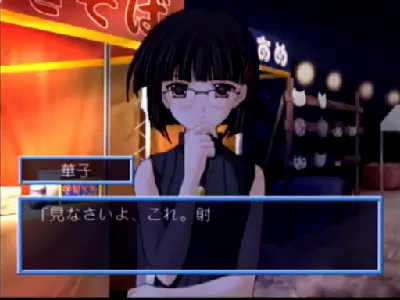
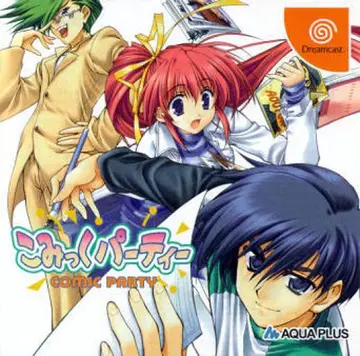
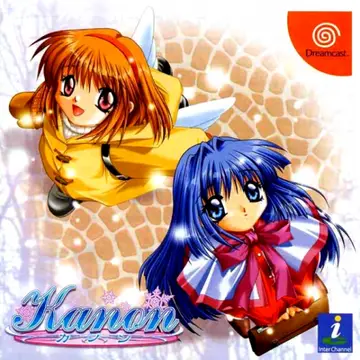
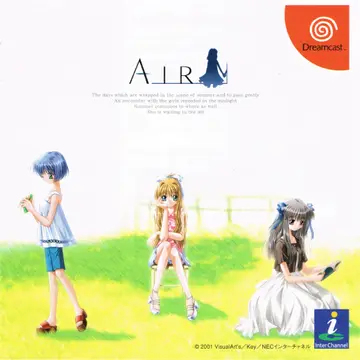
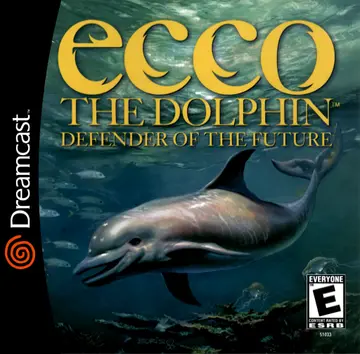
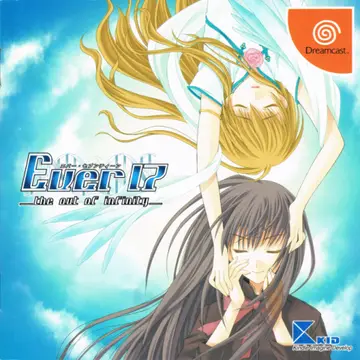
Dreamcast games still feel inventive and colorful, and many have been re-released on later platforms. The console also has a remarkably active homebrew scene for a system that left shelves so long ago.
Suika was released for the Sega Dreamcast in 2002; the original game dates back to 2001.
No. Suika is a single-player game.
As an adventure game, Suika typically falls into the "Weekend project" category: roughly 6–20 hours. Your time will vary with skill and how much you explore.
Read more about Suika on Wikipedia. Facts on this page are compiled from the open libretro database and Wikidata; "legacy score" reflects how widely a game is documented across Wikipedia's language editions. Spotted an error? Let us know.