Final Fantasy VII Classic
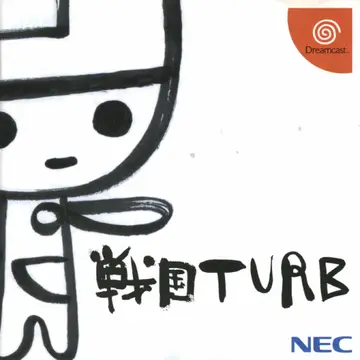
Sega Dreamcast · RPG
Deep cut
| System | Sega Dreamcast |
|---|---|
| Released | 1999 |
| Genre | RPG |
| Commitment | Epic journey (20+ hours of adventure) |
| Legacy | Deep cut · legacy score 2 |
Sengoku Turb is a role-playing game released in 1999 for the Sega Dreamcast.
It belongs to the Dreamcast's earliest wave of games. Other notable Dreamcast releases from 1999 include Worms Armageddon, Mortal Kombat Gold and Space Channel 5. Among the 21 Dreamcast RPGs in our database, it ranks #19 by legacy score.
Role-playing games trade reflexes for strategy and story. You build a party, level up, manage equipment and travel across a large world, usually through menu-based battles.
Tip for newcomers: Retro RPGs can require some level grinding and rarely tell you exactly where to go next. Talk to every townsperson, save often and use a guide if you get stuck: there is no shame in it.
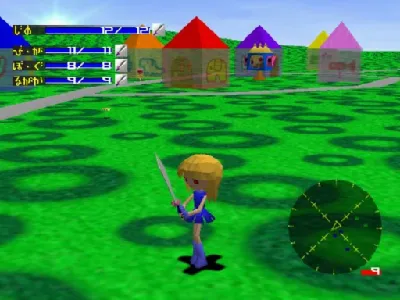
Stuck, or want to go deeper? These trusted sites have full walkthroughs, completion times and more for Sengoku Turb.
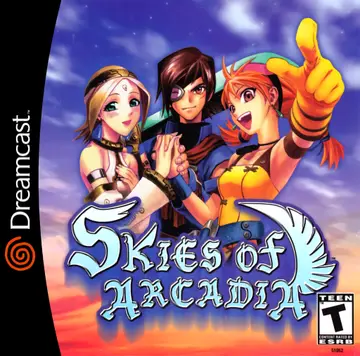
Dreamcast games still feel inventive and colorful, and many have been re-released on later platforms. The console also has a remarkably active homebrew scene for a system that left shelves so long ago.
Sengoku Turb was released for the Sega Dreamcast in 1999.
As a role-playing game, Sengoku Turb typically falls into the "Epic journey" category: 20+ hours of adventure. Your time will vary with skill and how much you explore.
Read more about Sengoku Turb on Wikipedia. Facts on this page are compiled from the open libretro database and Wikidata; "legacy score" reflects how widely a game is documented across Wikipedia's language editions. Spotted an error? Let us know.