Constructor Classic
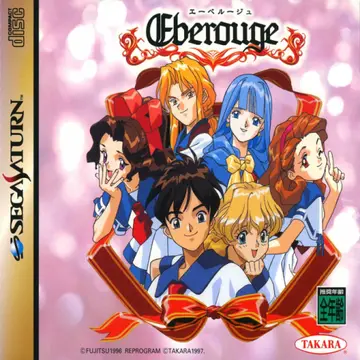
Sega Saturn · Strategy / Simulation
Deep cut
| System | Sega Saturn |
|---|---|
| Released | 1997 |
| Genre | Strategy, Simulation |
| Developer | Fujitsu |
| Publisher | Takara |
| Players | 1 player |
| Commitment | Weekend project (Roughly 6–20 hours) |
| Legacy | Deep cut · legacy score 3 |
Released for the Sega Saturn in 1997, Eberouge is a strategy game developed by Fujitsu and published by Takara. It blends strategy and simulation elements.
It landed about 2 years into the Saturn's life. Other notable Saturn releases from 1997 include Doom, Sonic Jam and Quake. Among the 12 Saturn strategy games in our database, it ranks #8 by legacy score.
This is a solo experience: one player, no waiting on anyone else.
Strategy games reward planning over reflexes: command armies, manage resources and outthink opponents on turn-based or real-time battlefields.
Tip for newcomers: Read the manual or tutorial if one exists: retro strategy games often assume you know their rules. Save between missions.
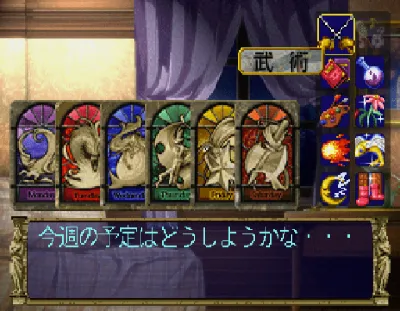

Many of the Saturn's best games never left Japan, and original discs can be expensive. Rec0m88 lists Saturn support for players who own their games.
Eberouge was released for the Sega Saturn in 1997.
It was developed by Fujitsu and published by Takara.
No. Eberouge is a single-player game.
As a strategy game, Eberouge typically falls into the "Weekend project" category: roughly 6–20 hours. Your time will vary with skill and how much you explore.
Read more about Eberouge on Wikipedia. Facts on this page are compiled from the open libretro database and Wikidata; "legacy score" reflects how widely a game is documented across Wikipedia's language editions. Spotted an error? Let us know.