Osu! Tatakae! Ouendan Classic
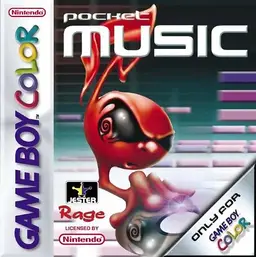
Game Boy Color · Music & Rhythm
Deep cut
| System | Game Boy Color |
|---|---|
| Released | 2002 |
| Genre | Music & Rhythm |
| Developer | Jester Interactive |
| Publisher | Rage Software |
| Commitment | Quick session (Under an hour, or endless arcade fun) |
| Legacy | Deep cut · legacy score 1 |
Developed by Jester Interactive and published by Rage Software, Pocket Music arrived on the Game Boy Color in 2002 as a rhythm game.
It landed about 4 years into the GBC's life. Other notable GBC releases from 2002 include Dragon Ball Z: Legendary Super Warriors, Yu-Gi-Oh! Dark Duel Stories and Hamtaro: Ham-Hams Unite!.
Music and rhythm games challenge your timing by asking you to hit inputs in sync with the beat.
Tip for newcomers: Modern TVs can add input lag that throws off timing; use your TV's game mode if rhythm feels off.
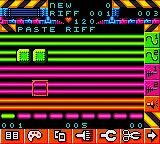
Stuck, or want to go deeper? These trusted sites have full walkthroughs, completion times and more for Pocket Music.
GBC games are compact and colorful, and many are available on Nintendo Switch Online. Cartridges also play on the Game Boy Advance.
Pocket Music was released for the Game Boy Color in 2002.
It was developed by Jester Interactive and published by Rage Software.
As a rhythm game, Pocket Music typically falls into the "Quick session" category: under an hour, or endless arcade fun. Your time will vary with skill and how much you explore.
Read more about Pocket Music on Wikipedia. Facts on this page are compiled from the open libretro database and Wikidata; "legacy score" reflects how widely a game is documented across Wikipedia's language editions. Spotted an error? Let us know.