
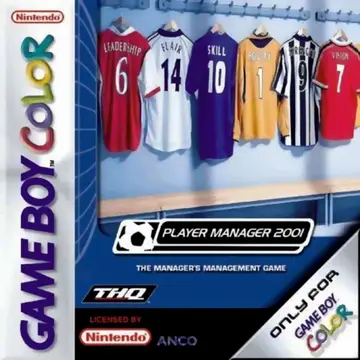
Game Boy Color · Simulation
Player Manager 2001
| System | Game Boy Color |
|---|---|
| Released | 2000 |
| Genre | Simulation |
| Developer | G3 Interactive Ltd. |
| Publisher | THQ |
| Players | 1 player |
| Commitment | Weekend project (Roughly 6–20 hours) |
| Legacy | Deep cut |
Released for the Game Boy Color in 2000, Player Manager 2001 is a simulation game developed by G3 Interactive Ltd. and published by THQ.
It landed about 2 years into the GBC's life. Other notable GBC releases from 2000 include Wario Land 3, Super Mario Bros. Deluxe and Grand Theft Auto 2.
Player Manager 2001 is a single-player game, so it's one to enjoy at your own pace.
Pick it if…
- you want to think and plan
- you have time for a weekend project (roughly 6–20 hours)
- you've played the GBC hits and want something less obvious
Maybe skip it if…
- you want clear goals and a defined ending
- you are looking for something to play with friends
What playing Player Manager 2001 is like
Simulation games model a system and let you play inside it, whether that means building a city, flying a plane, raising a pet or running a business.
Tip for newcomers: Simulations are often open-ended. Set yourself small goals and enjoy experimenting with the systems.
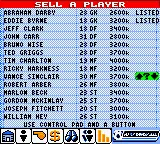
If you like Player Manager 2001, the Matrix also picks…
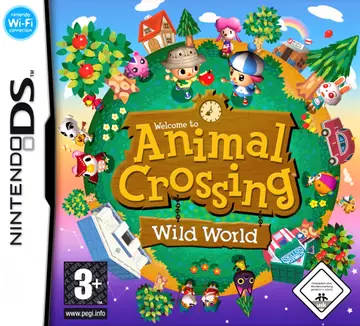
Animal Crossing: Wild World Classic

Theme Hospital Classic
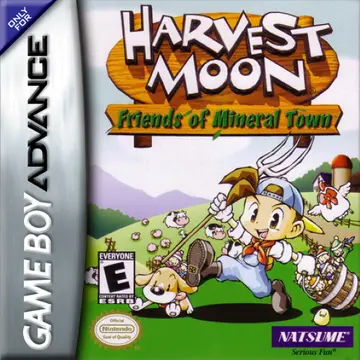
Harvest Moon GB Classic
Harvest Moon DS Classic
The Sims 3 Classic
Playing GBC games today
GBC games are compact and colorful, and many are available on Nintendo Switch Online. Cartridges also play on the Game Boy Advance.
Player Manager 2001 FAQ
When did Player Manager 2001 come out on the GBC?
Player Manager 2001 was released for the Game Boy Color in 2000.
Who made Player Manager 2001?
It was developed by G3 Interactive Ltd. and published by THQ.
Is Player Manager 2001 multiplayer?
No. Player Manager 2001 is a single-player game.
How long does Player Manager 2001 take to play?
As a simulation game, Player Manager 2001 typically falls into the "Weekend project" category: roughly 6–20 hours. Your time will vary with skill and how much you explore.
Facts on this page are compiled from the open libretro database and Wikidata; "legacy score" reflects how widely a game is documented across Wikipedia's language editions. Spotted an error? Let us know.