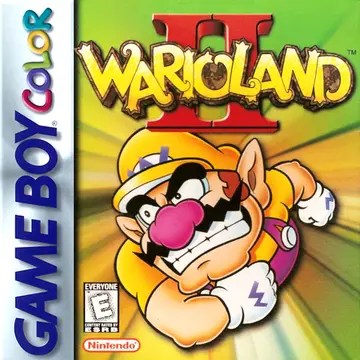
Wario Land II Classic
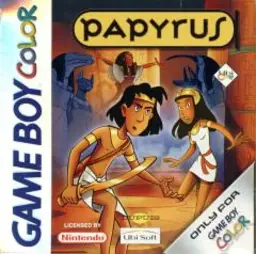
Game Boy Color · Platformer
| System | Game Boy Color |
|---|---|
| Released | 2000 |
| Genre | Platformer |
| Developer | Dupuis |
| Publisher | Ubisoft |
| Players | 1 player |
| Commitment | An evening or two (Roughly 1–6 hours to see it through) |
| Legacy | Deep cut |
Released for the Game Boy Color in 2000, Papyrus is a platformer developed by Dupuis and published by Ubisoft.
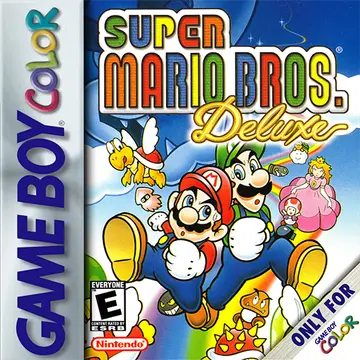
It landed about 2 years into the GBC's life. Other notable GBC releases from 2000 include Wario Land 3, Super Mario Bros. Deluxe and Grand Theft Auto 2.
This is a solo experience: one player, no waiting on anyone else.
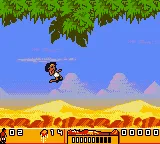
Platformers are all about movement: running, jumping and timing your way across levels full of gaps, enemies and secrets. The best ones feel great to control within seconds and then slowly teach you to master every leap.
Tip for newcomers: Retro platformers often have limited lives and few checkpoints. Learn one level at a time, look for hidden 1-ups, and don't be shy about using a save feature when it is available.
GBC games are compact and colorful, and many are available on Nintendo Switch Online. Cartridges also play on the Game Boy Advance.
Papyrus was released for the Game Boy Color in 2000.
It was developed by Dupuis and published by Ubisoft.
No. Papyrus is a single-player game.
As a platformer, Papyrus typically falls into the "An evening or two" category: roughly 1–6 hours to see it through. Your time will vary with skill and how much you explore.
Facts on this page are compiled from the open libretro database and Wikidata; "legacy score" reflects how widely a game is documented across Wikipedia's language editions. Spotted an error? Let us know.