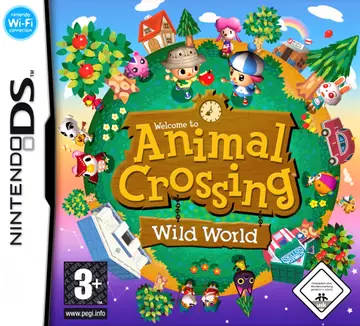
Animal Crossing: Wild World Classic

Game Boy Advance · Simulation
| System | Game Boy Advance |
|---|---|
| Released | 2007 |
| Genre | Simulation |
| Developer | DTP Young Entertainment |
| Publisher | DTP Entertainment |
| Commitment | Weekend project (Roughly 6–20 hours) |
| ESRB | E |
| Legacy | Deep cut |
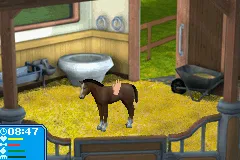
Released for the Game Boy Advance in 2007, Let's Ride!: Friends Forever is a simulation game developed by DTP Young Entertainment and published by DTP Entertainment.
It landed about 6 years into the GBA's life. Other notable GBA releases from 2007 include TMNT, Arctic Tale and Avatar: The Last Airbender – The Burning Earth.
Simulation games model a system and let you play inside it, whether that means building a city, flying a plane, raising a pet or running a business.
Tip for newcomers: Simulations are often open-ended. Set yourself small goals and enjoy experimenting with the systems.

The GBA is one of the best-value retro libraries around, with deep RPGs and tactics games that suit portable play. A growing selection is on Nintendo Switch Online + Expansion Pack, and Rec0m88 supports GBA if you own the games.
Let's Ride!: Friends Forever was released for the Game Boy Advance in 2007.
It was developed by DTP Young Entertainment and published by DTP Entertainment.
As a simulation game, Let's Ride!: Friends Forever typically falls into the "Weekend project" category: roughly 6–20 hours. Your time will vary with skill and how much you explore.
Facts on this page are compiled from the open libretro database and Wikidata; "legacy score" reflects how widely a game is documented across Wikipedia's language editions. Spotted an error? Let us know.