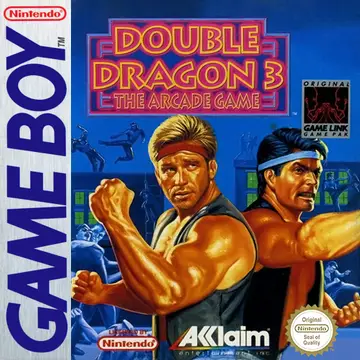
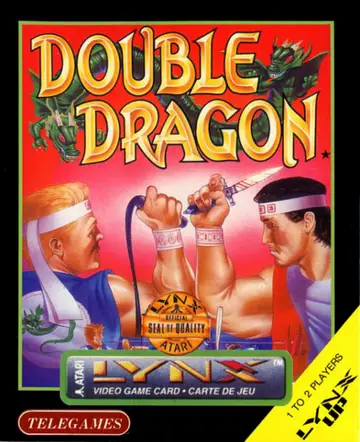
Atari Lynx · Beat 'em Up
Double Dragon
| System | Atari Lynx |
|---|---|
| Genre | Beat 'em Up |
| Developer | Tecmo |
| Publisher | Telegames |
| Players | 1–2 players |
| Commitment | Quick session (Under an hour, or endless arcade fun) |
| Series | Double Dragon |
| Legacy | Deep cut |
Released for the Atari Lynx, Double Dragon is a beat 'em up developed by Tecmo and published by Telegames.
It is part of the Double Dragon series. The series also appears on other systems with Double Dragon (2600) and Double Dragon (Master System).
Double Dragon supports up to 2 players, whether that means taking turns or going head-to-head.
Pick it if…
- you want to fight, blast and test your reflexes
- you have time for a quick session (under an hour, or endless arcade fun)
- you have a friend to play against
- you've played the Lynx hits and want something less obvious
Maybe skip it if…
- you want depth and variety over simple, satisfying brawling
What playing Double Dragon is like
Beat 'em ups send you down scrolling streets fighting waves of thugs with punches, kicks, throws and grabbed weapons. Most can be finished in a single sitting and shine with a second player.
Tip for newcomers: Avoid getting surrounded: keep enemies on one side of you and save your special attacks for crowds. Bring a friend if the game supports co-op.
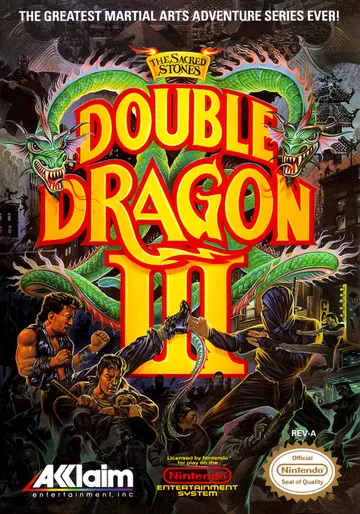
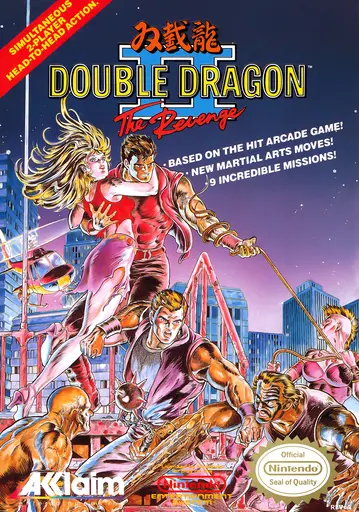
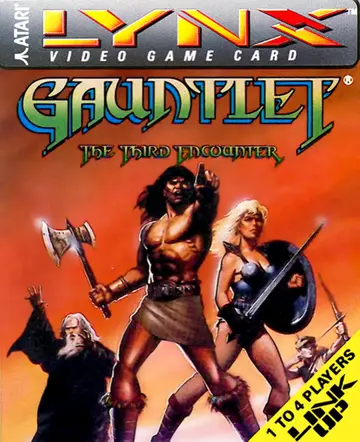
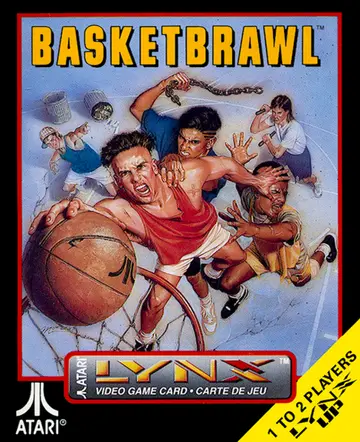
If you like Double Dragon, the Matrix also picks…
Playing Lynx games today
The Lynx library is small, so it is easy to find its best games, and it remains a cult favorite among handheld collectors.
Double Dragon FAQ
Who made Double Dragon?
It was developed by Tecmo and published by Telegames.
Is Double Dragon multiplayer?
Yes. Double Dragon supports up to 2 players.
How long does Double Dragon take to play?
As a beat 'em up, Double Dragon typically falls into the "Quick session" category: under an hour, or endless arcade fun. Your time will vary with skill and how much you explore.
Facts on this page are compiled from the open libretro database and Wikidata; "legacy score" reflects how widely a game is documented across Wikipedia's language editions. Spotted an error? Let us know.