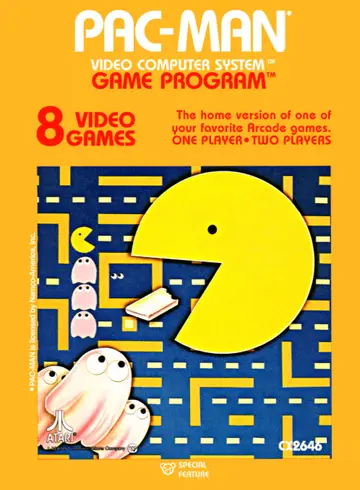
Pac-Man Classic
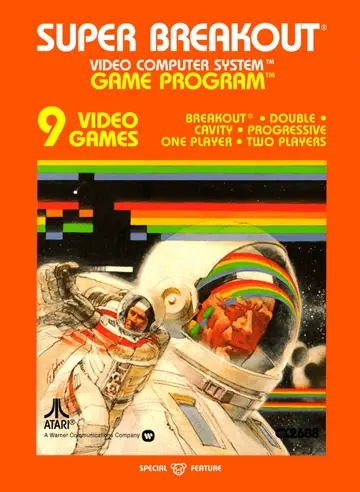
Atari 2600 · Action
| System | Atari 2600 |
|---|---|
| Genre | Action |
| Developer | Turner, Nick / Shaw, Carol |
| Publisher | Atari |
| Players | 1–2 players |
| Commitment | Quick session (Under an hour, or endless arcade fun) |
| Legacy | Deep cut |
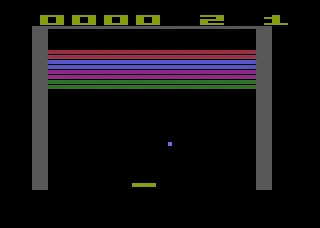
Released for the Atari 2600, Super Breakout is an action game developed by Turner, Nick / Shaw, Carol and published by Atari.
Super Breakout supports up to 2 players, whether that means taking turns or going head-to-head.
Action games test reflexes and nerve. Expect fast enemies, tight controls and stages you clear by reacting quickly and learning enemy patterns.
Tip for newcomers: Retro action games are often short but tough. Treat early deaths as practice runs; every attempt teaches you where the next threat comes from.
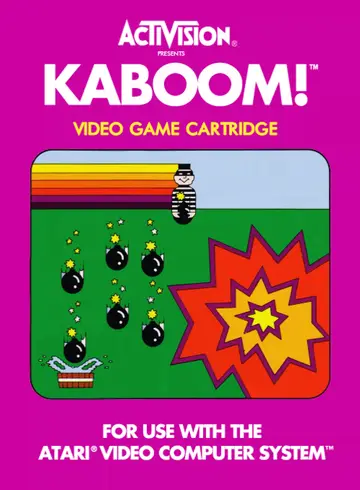
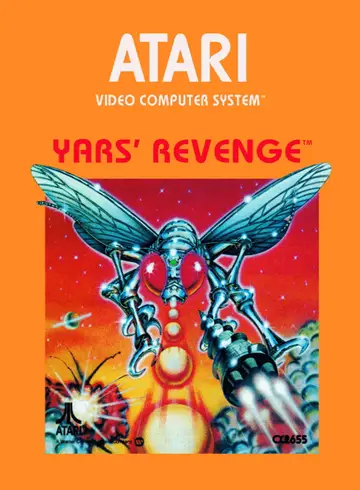
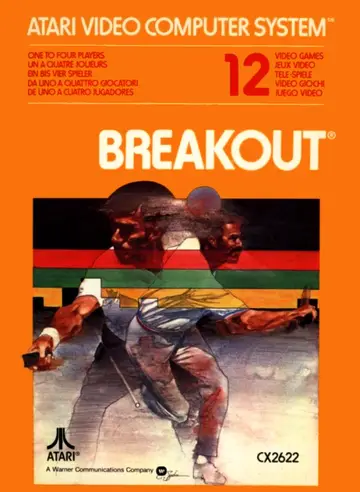
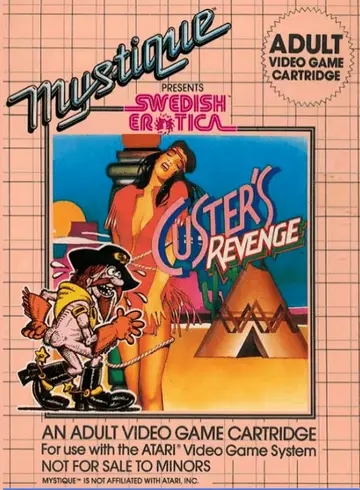
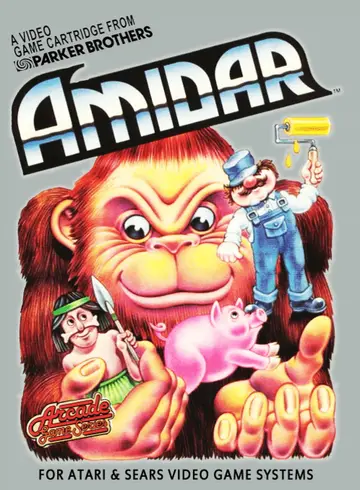
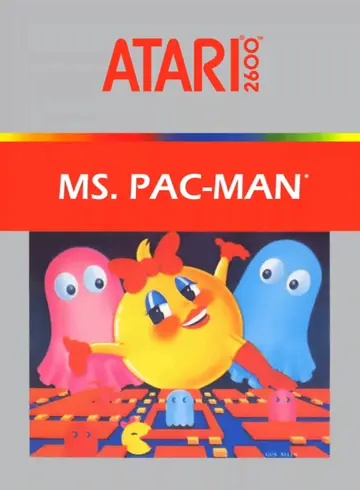
Most 2600 games are built for short, score-chasing sessions, which makes them perfect for a quick nostalgia hit. Original hardware is cheap and plentiful, the Atari 2600+ reissue plays original cartridges on modern TVs, and official collections such as Atari 50 bundle many first-party classics.
It was developed by Turner, Nick / Shaw, Carol and published by Atari.
Yes. Super Breakout supports up to 2 players.
As an action game, Super Breakout typically falls into the "Quick session" category: under an hour, or endless arcade fun. Your time will vary with skill and how much you explore.
Facts on this page are compiled from the open libretro database and Wikidata; "legacy score" reflects how widely a game is documented across Wikipedia's language editions. Spotted an error? Let us know.