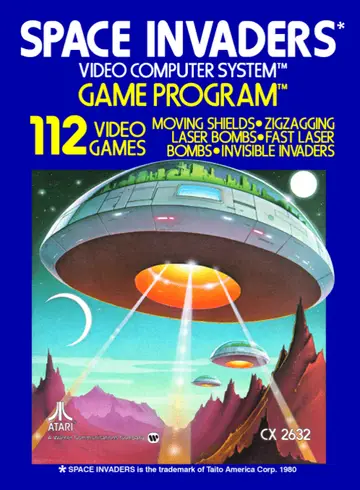
Space Invaders Classic
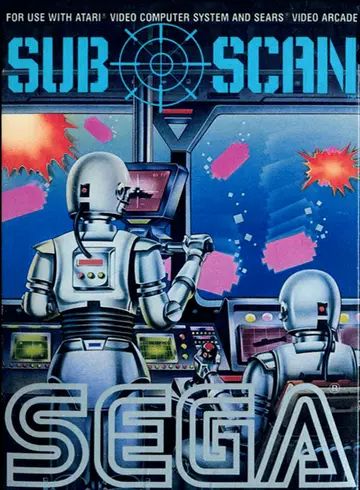
Atari 2600 · Shoot 'em Up
| System | Atari 2600 |
|---|---|
| Genre | Shoot 'em Up |
| Publisher | SEGA |
| Players | 1 player |
| Commitment | Quick session (Under an hour, or endless arcade fun) |
| Legacy | Deep cut |
Published by SEGA, Sub-Scan arrived on the Atari 2600 as a shoot 'em up.
Sub-Scan is a single-player game, so it's one to enjoy at your own pace.
Shoot 'em ups (shmups) put you in a ship facing waves of enemies and bullets. Runs are short and intense, and the goal is to survive, collect power-ups and push your high score.
Tip for newcomers: Focus on your ship's small hitbox rather than the flood of bullets, and learn which power-ups suit each stage. Most shmups are designed to be replayed many times.
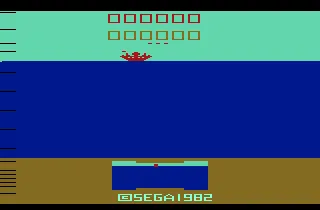
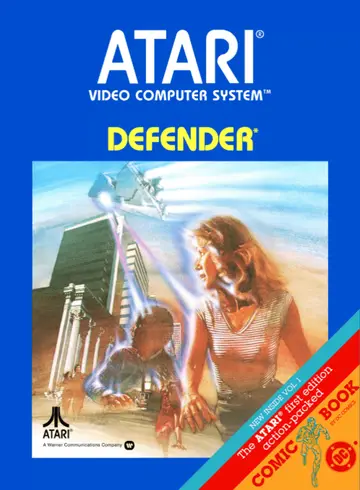
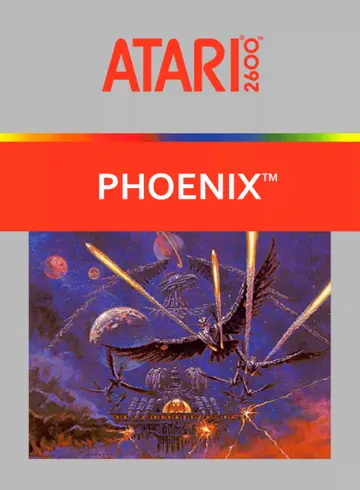
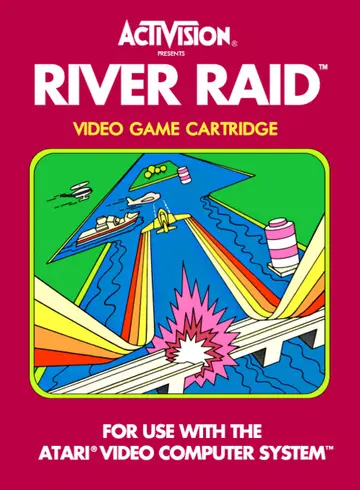
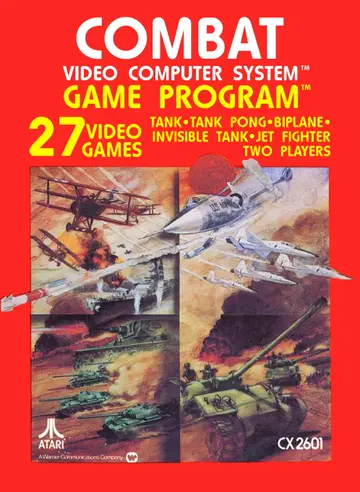
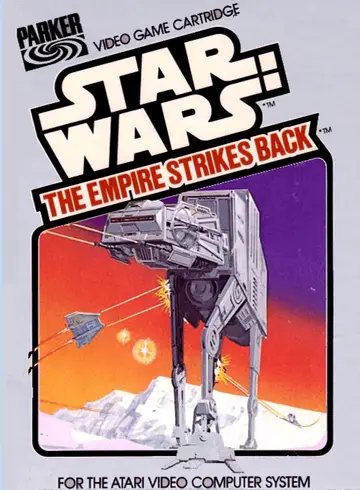
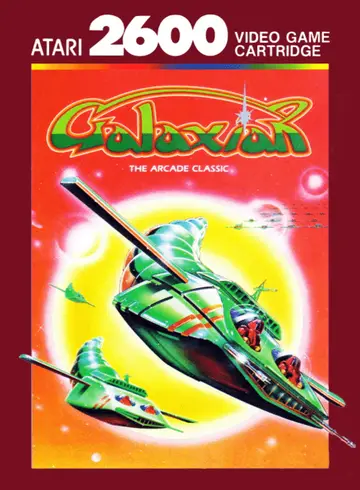
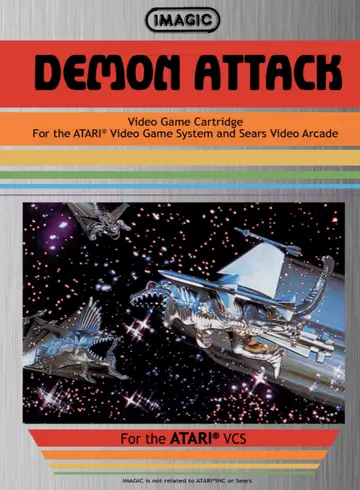
Most 2600 games are built for short, score-chasing sessions, which makes them perfect for a quick nostalgia hit. Original hardware is cheap and plentiful, the Atari 2600+ reissue plays original cartridges on modern TVs, and official collections such as Atari 50 bundle many first-party classics.
published by SEGA.
No. Sub-Scan is a single-player game.
As a shoot 'em up, Sub-Scan typically falls into the "Quick session" category: under an hour, or endless arcade fun. Your time will vary with skill and how much you explore.
Facts on this page are compiled from the open libretro database and Wikidata; "legacy score" reflects how widely a game is documented across Wikipedia's language editions. Spotted an error? Let us know.